Educational Video · Women's Wellness

A Quiet Look at Gelatin and the Everyday Habits Women Are Revisiting

As conversations about collagen grow louder, more women are asking simple, practical questions about gelatin, satiety, and the kitchen habits their grandmothers relied on.

Women's Wellness  ·  Natural Habits  ·  Educational Content  ·  Women's Wellness  ·  Natural Habits  ·  Educational Content

What Changes in the Body Over Time

Long-term observation of female physiology consistently notes that certain shifts are gradual, cumulative, and often left out of mainstream diet advice.

Collagen Naturally Declines

Collagen production tends to slow with time, which is part of why gelatin — a cooked, digestible form of collagen — has drawn renewed attention in home kitchens.

Satiety Signals Shift

The way fullness is signaled and perceived can change over the years, sometimes making older eating patterns feel less reliable.

Lean Mass Composition Shifts

Body composition tends to move gradually over time, independent of scale weight, which is easy to overlook when the focus stays on numbers alone.

Traditional Dieting Has Limits

Calorie-counting approaches were largely built around generic averages and don't always account for these slower, individual physiological shifts.

Myths vs Facts About Metabolism

Popular advice often repeats ideas that don’t hold up well under closer, more sober examination.

MYTH

Metabolism is fixed and can’t be influenced by daily habits.

FACT

Daily routines, meal patterns, and consistency all play a documented role in how the body processes and uses energy over time.

MYTH

Any single ingredient can replace the need for balanced habits.

FACT

Ingredients like gelatin are best understood as part of a broader routine, not a standalone fix for anything.

MYTH

Older approaches to eating are outdated and irrelevant today.

FACT

Many traditional practices, including the use of gelatin-rich foods, are being re-examined by modern wellness conversations for good reason.

A Simple, Repeatable Approach

Rather than a strict program, this is a way of observing and adjusting habits gradually.

01

Observe Current Habits

Start by noticing existing patterns around meals, hunger cues, and daily routine without judgment or drastic change.

02

Reintroduce Traditional Ingredients

Foods like gelatin have a long history in home cooking and are being revisited as part of simple, whole-food routines.

03

Prioritize Consistency Over Perfection

Small, repeatable habits sustained over time tend to matter more than short bursts of strict effort.

A Kitchen Tradition Worth Revisiting

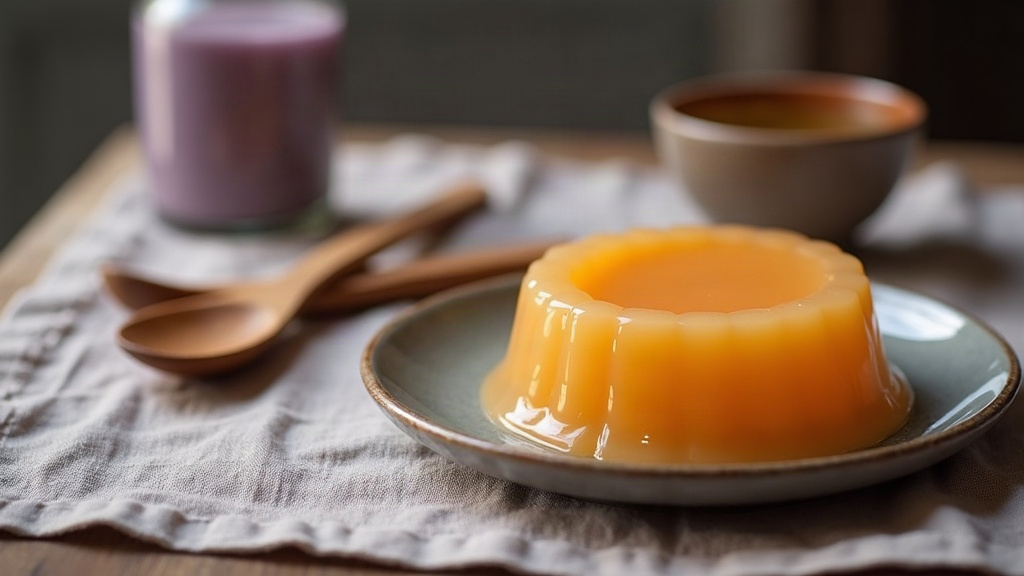
Long before modern supplements, gelatin was a staple in home kitchens — simmered from bone broth, set into simple dishes, and passed down through generations as a practical, inexpensive ingredient. It was valued not for dramatic claims but for its place in everyday, consistent meal preparation.

The renewed interest in gelatin isn’t new — it’s a return to a practice that many households quietly maintained for decades before it faded from mainstream diet culture.

Signs Women Often Notice

Changes in Hunger Patterns

Fullness and appetite cues that feel different from what they once were.

Shifts in Skin Appearance

Changes in skin texture or elasticity that become more noticeable over time.

Joint Stiffness

A general sense of stiffness or reduced ease of movement in daily activity.

Weight Fluctuation

Weight that shifts even without major changes to diet or activity level.

Lower Everyday Energy

A general sense of reduced energy across the day, unrelated to sleep alone.

Nail and Hair Changes

Noticeable changes in nail strength or hair texture over time.

What Some Women Have Shared

I started paying closer attention to my daily habits after watching the video. It gave me a simpler way to think about things I'd been ignoring.

Renata M.
Illustrative account
The explanation about gelatin and traditional cooking made a lot of sense to me. It didn't feel like another trend, just a return to basics.
Julienne P.
Illustrative account
I appreciated that the video didn't promise anything dramatic. It just gave context I hadn't heard explained this clearly before.
Odalys T.
Illustrative account

These reflect individual experiences shared voluntarily. Individual results may vary, and testimonials are not a guarantee of any specific outcome.

Frequently Asked Questions

Gelatin hydrolysate refers to gelatin that has been broken down into smaller components for easier preparation and use, most commonly derived from collagen through a cooking or processing method.

No. The video is educational in nature and does not diagnose, treat, cure, or prevent any condition.

No changes are required simply to view the video. It presents information for you to consider on your own terms.

No. The content is intended for women generally and does not target a specific age range.

The video focuses on gelatin as an ingredient and habit, within a broader educational context, rather than promoting a specific branded item.

Gelatin has a long history in home cooking across many cultures, often derived from simmered bone broth and used in everyday meal preparation.

Yes. It’s always recommended to speak with a qualified healthcare professional before making changes to your diet or routine.

Curious About the Full Explanation?

Watch the short video to see the complete context behind gelatin, satiety, and everyday habits many women are revisiting.

Advertising Disclosure: This page contains sponsored content and affiliate links. We may receive compensation if you click a link or make a purchase through links on this page. This does not affect the price you pay.

Content Disclaimer: This content is provided for educational and informational purposes only. It has not been evaluated by the FDA. It is not intended to diagnose, treat, cure, or prevent any disease or condition. Always consult a qualified healthcare professional before making changes to your diet, supplement routine, or lifestyle.

Results Disclaimer: Individual results may vary. Any testimonials or examples shared reflect personal experiences and are not a guarantee of similar outcomes for any other individual.

© 2026 · All Rights Reserved · Contact